
![[ratings]](https://www.armishaws.com/wp-content/uploads/2021/06/armishaws-trustsignal-icon-star.svg "[ratings]")



9 Easy Tips For Moving With Pets
Moving house is stressful enough for humans, but if you don’t understand the move at all and would rather be chasing balls, sleeping by the fire and barking at next doors cat, moving day can be unsettling. You can reduce their stress by following a few simple tips.
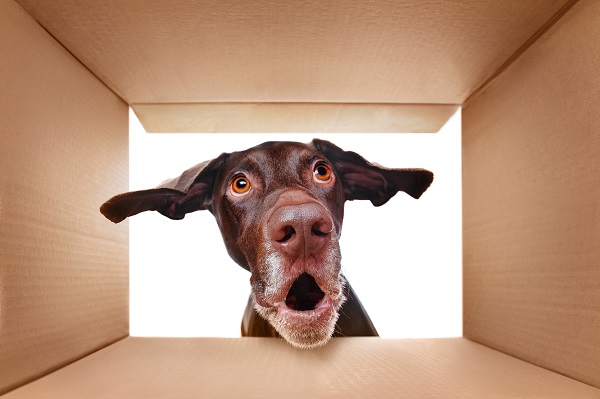
Pack Pet Things Last
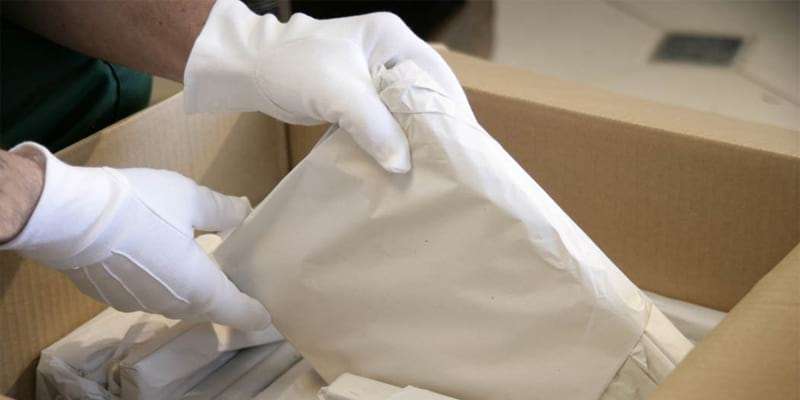
There’s always the list of things that can’t be packed until the morning of the move; toothbrushes, phone chargers, etc. Make sure your pet’s most treasured items (food bowls, bedding, toys, etc) are left until later. Your pet needs to feel secure and surrounded by familiarity for as long as possible, to shorten any period of turmoil.
Car Comfort
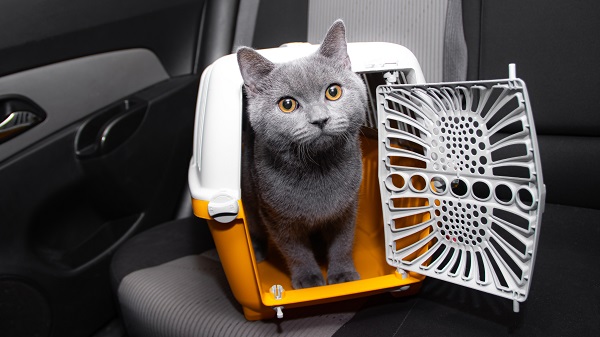
Think carefully about how to get your pet to your new home. If your new home isn’t too far away, you can drive them yourself or take a taxi; cats will need to be kept in a carrier for the journey, and dogs should be in a dog cage or secured by a harness.
If you’re travelling further afield, be sure to make regular stops to offer your pet water and toilet breaks. For longer journeys, it may be a good idea to place your cat carrier within a larger dog crate containing a litter box and space for water for use during these breaks. Most dogs will also need to be given a chance to stretch their legs.
Blankets & Covers
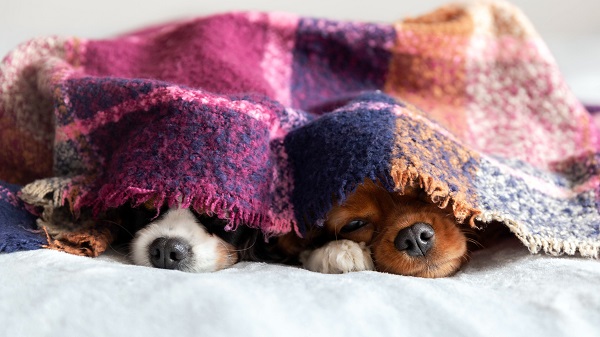
For longer journeys, it’s a good idea to make the car a little more comfortable for larger animals like dogs and cats. Also blankets or coverings can be used to make cages or tanks dark for animals likely to be upset by light and motion.
Ready to start planning your move? Get a free quote.
Distraction Techniques
For most animals, distraction principally boils down to food. As they say, give a cat a fish and you’ll feed him for a day, teach a cat to fish and he won’t bother because he’s lazy! But make sure you’re armed with rewards, treats, travel water bowls, tinned or dried food for mealtimes (if your journey is likely to still be happening at their usual feeding time), toys and familiar/favourite items.
Update Pet Details
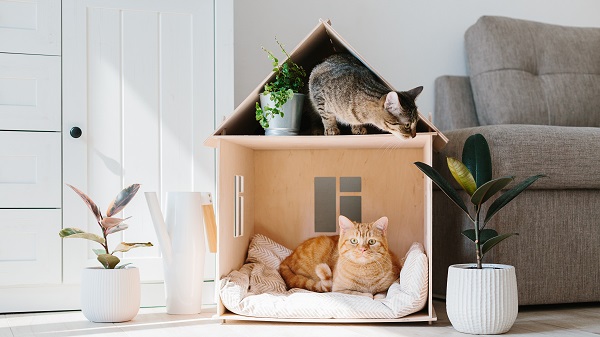
Once the move is complete, don’t forget to update your pet’s details. Pet passports and microchip IDs will need to be updated with your new address and you should ensure that your pet is registered with a local vet as soon as possible.
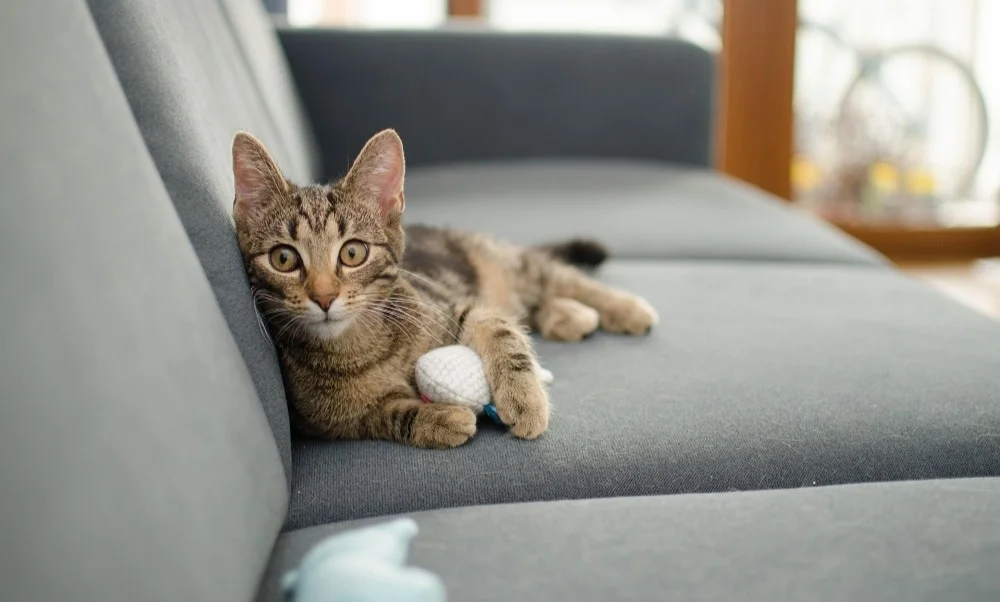
Don’t Clean Bedding
One temptation is to get your dog/cat a nice new bed for their new home but resist that urge for now. Smells are hugely important. Familiar smells, like their bedding, will reassure your pet that it’s in a safe space. So, avoid buying new or washing existing bedding ready. You can soon wash or replace their old bedding once they’re settled.
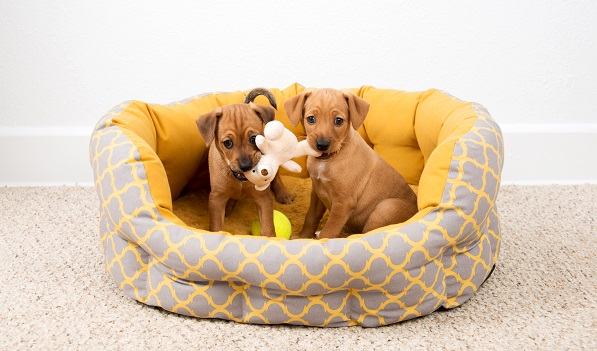
Plan Rest Points
For long-distance moves, map out rest points along the way for animals that need exercise or aren’t used being used to confined small spaces. Letting animals out at motorway service stations obviously has serious safety issues, as well as being loud and potentially traumatising. Check your route in advance and look for handy stopping points just off the main route, where it’ll be quieter and safer to give your furry friends a comfort break and a run if needed.
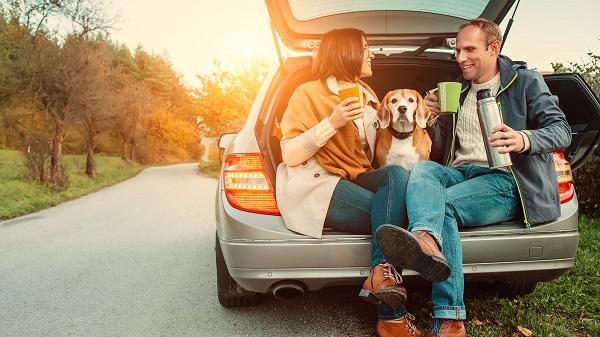
Create A Safe Space
When you get to your new home, unpacking your pet’s prized possessions should be one of your top priorities. The most important thing is to find a safe space for your pet to explore or place cages, tanks away from all the noise of moving and where they won’t get knocked. Find a room empty of boxes. unpack your pet’s bedding, food and toys, secure all windows and other possible escape routes and let them settle but make sure you pop in so they know they haven’t been left.
Don’t let your pet out of their carrier or cage until the door to the room is closed. You may want to make a sign for the door to ensure that your movers don’t accidentally open the door to your pet’s ‘safe space’.
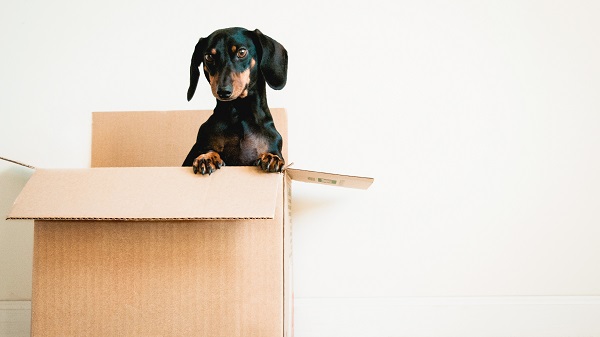
Check Boundaries
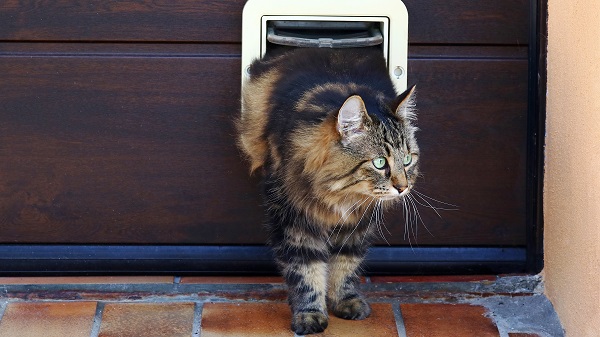
Before you let your dog, cat, tortoise or alligator loose in the garden, make sure you’ve checked all the boundaries are secure. Your new neighbour possibly won’t want your pet entering their garden unannounced and you certainly don’t want them to be able to get out and onto unfamiliar/busy roads, but any animals will feel compelled to mark their new territory.